
- Service ▼
- Products ▼
✨ 20+ Years Experience | 5,000+ Global Brands All Products →
- Sustainability
- About Us ▼
- Related Resources ▼
- Contact Us

Before discussing custom corrugated shipping boxes, let’s first understand the basics of this fundamental product. Corrugated shipping boxes are constructed from three layers: two flat outer sheets—known as linerboards—sandwiching a wavy inner layer called the corrugated medium. This structure provides strength, cushioning, and stackability. Unlike regular cardboard (the material used for cereal boxes), corrugated boxes are designed to withstand bumps, drops, and crushing during shipping. That’s why they are the top choice for product protection.
Different flute sizes offer varying performance characteristics. The following are some commonly used flute types in box manufacturing:
In addition, you can choose 3-ply (one layer of corrugated core), 5-ply (two layers, suitable for heavy or fragile items), or even 7-ply (industrial-grade freight) depending on your needs. Choosing the right board type ensures your products arrive safely and avoids paying extra for unnecessary materials.
Simply put, a corrugated shipping box is like a hot dog sandwich—except that it consists of two outer sheets of paper and a layer of fluted paper. And when you order custom designs, you get to choose the size, flute, print, and style that perfectly match your product.
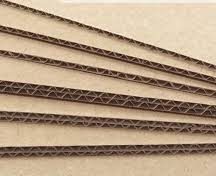
Different Types Of Corrugated Paper
Corrugated shipping boxes are a popular choice for online sellers and wholesalers, and their usage has been steadily increasing in recent years. The demand continues to rise as brands realize their value.
What’s the magic behind these containers? Why do people prefer them so much?
Custom corrugated shipping boxes offer robust shock resistance, protecting your products during local and international shipping. Extensive customization options allow you to realize your packaging ideas and designs, further helping you capture the global market with boxes that reflect your brand.
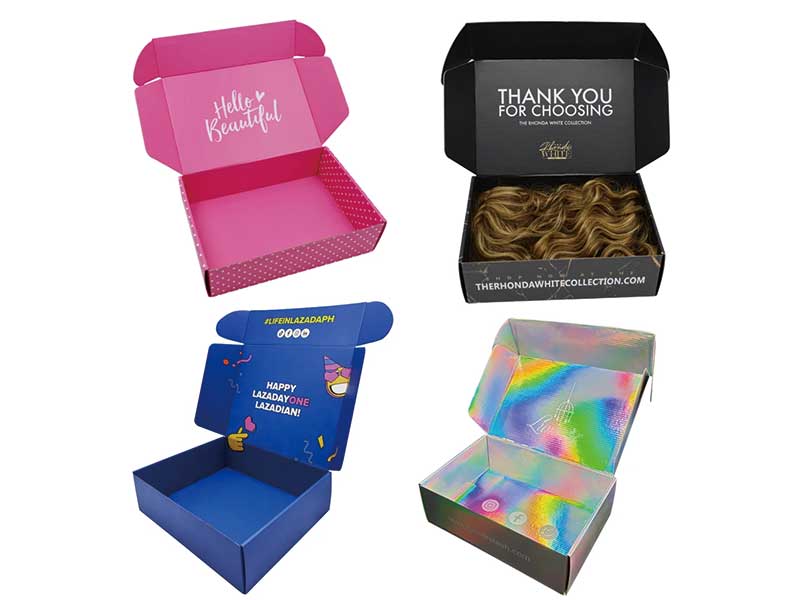
Different Custom Styles Of Shipping Boxes
Packaging is often the first physical item a customer encounters after purchasing a product, presenting a prime marketing opportunity. A plain box might give the impression of “I just ship whatever,” while a custom box that perfectly fits your product and features your brand conveys “I pay attention to detail.” Customers notice this care and are more likely to trust sellers who appear professional. Each shipment passes through warehouses, delivery trucks, and finally arrives at the customer’s home. People see it, making your brand free advertising. When customers post unboxing photos or videos online, your brand is seen by their friends and followers without costing you a penny in advertising fees.
Customers love opening a package that feels special. A clean, well-printed box with a thoughtful message inside will delight customers; this positive feeling will stay in their memory. The next time they need a similar product, they’ll think of you, not the seller who sent a plain brown box. You can also tell your brand story through small details—such as printing a short thank-you note inside the box, adding small illustrations representing your brand, or using packaging that matches your website’s colors. These details make customers feel that you’re not just an ordinary seller, but an individual or team that genuinely cares about their customers. When your packaging looks professional, customers are more willing to pay the corresponding price because they feel they’re getting value for their money—not just for the product itself, but for the overall experience.
You don’t need a huge budget to turn every shipment into a marketing tool and build trust for your business. If you need one-stop custom packaging services, please feel free to contact us!
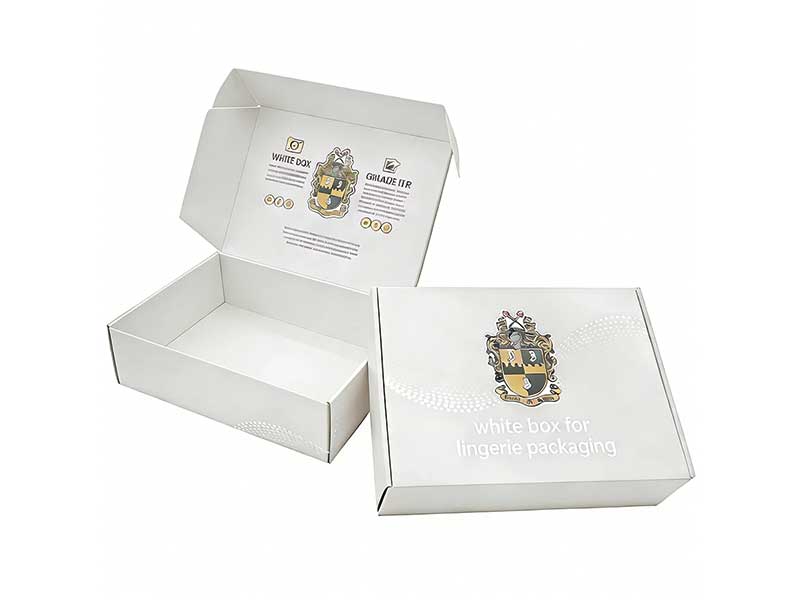
White Custom Corrugated Cardboard Shipping Boxes
Get an instant quote within 10–30 minutes and start designing boxes that make your products stand out.
View Jinglin’s Shipping Boxes →A corrugated shipping box is made of three layers: two flat linerboards and a fluted inner medium. This structure gives it strength and cushioning, making it ideal for protecting products during transit. It’s different from regular cardboard, which is a single flat layer used for cereal boxes.
Common flute types include A-flute (4.5–5.0 mm, great cushioning for fragile items), B-flute (2.5–3.0 mm, good puncture resistance), C-flute (3.5–4.0 mm, all-rounder for e-commerce), E-flute (1.5–1.8 mm, thin and print-friendly), and F-flute (0.8–1.0 mm, similar to paperboard for luxury items).
Custom printed shipping boxes turn every package into a marketing tool. They create a professional first impression, encourage social media unboxing shares, and build trust with customers. A well-designed box communicates attention to detail and can increase repeat purchases.