- Service ▼
- Products ▼
✨ 20+ Years Experience | 5,000+ Global Brands All Products →
- Sustainability
- About Us ▼
- Related Resources ▼
- Contact Us
Small-batch custom packaging is not simply a matter of finding the lowest MOQ. The best result comes from balancing total cash outlay, unit cost, tooling, print setup, product protection and the amount of flexibility your launch still needs.
For a new product, a test launch or a seasonal campaign, ordering a very large quantity can tie up cash and leave you with packaging that no longer fits the next version. Ordering too little can make every box expensive because setup, sampling, tooling and production time are spread across fewer units. This guide explains the cost levers you can control before requesting a quote, so you can compare small-batch options on a like-for-like basis.
MOQ, or minimum order quantity, is the smallest quantity a supplier is prepared to produce under a specific combination of box structure, size, material, printing and finishing. It is not always a universal number for every product. The MOQ for a simple paper card box may differ from the MOQ for a rigid magnetic box with a custom insert, foil and a special paper.
A lower MOQ can be valuable when you are validating demand, testing a new scent, launching several SKUs or protecting working capital. However, a lower quantity usually means that fixed costs are divided across fewer pieces. Ask the supplier to separate recurring production cost from one-time or setup costs. That distinction makes it easier to understand whether increasing the quantity will materially lower the unit price or simply create excess inventory.
A quote that shows only a per-box price does not tell you the full cash requirement. Small-batch packaging may include structural sampling, artwork preparation, a cutting die, printing setup, special finishing, inserts, packing and freight. Some costs occur once; others repeat with every production run.
Before comparing suppliers, organise the quote into four groups: development, setup, production and delivery. Development can include a prototype or engineering sample. Setup can include tooling and print preparation. Production covers the boxes and inserts themselves. Delivery includes export packing and transport to the destination. This structure helps you identify which cost can be reduced by changing the design and which cost is unavoidable for the selected quantity.
When a supplier quotes a small batch, request the total at the planned quantity as well as the estimated unit cost. A slightly higher unit price may still be the better decision if it prevents a large unused stock balance.
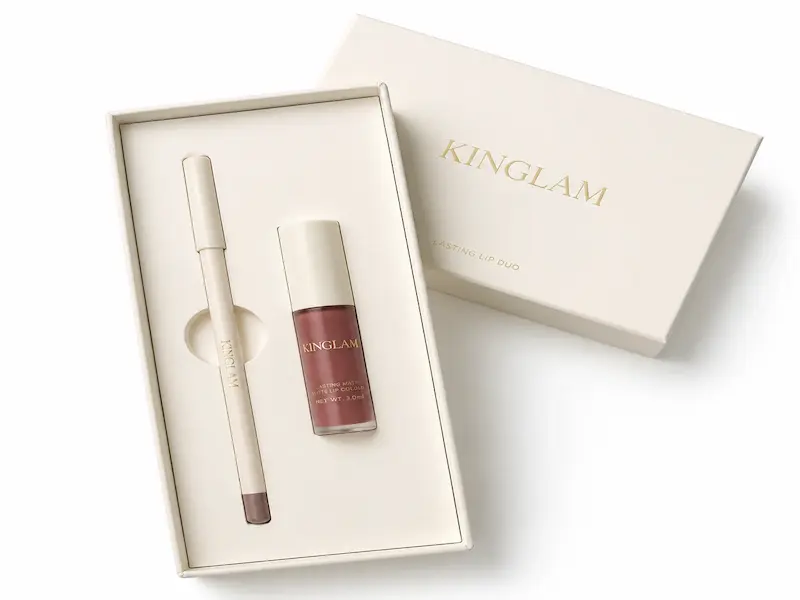
A rigid box with a fitted insert carries higher setup and unit costs — compare it with a folding carton before choosing a small-batch structure.
The structure has a direct effect on material use, labour, assembly and shipping volume. A folding carton or paper card box may be efficient for a lightweight retail product. A rigid paper box can create stronger presentation and protection, but it normally involves more board, wrapping, handwork or assembly. A mailer or shipping box may be the more sensible choice when the main requirement is transit protection rather than a gift-like unboxing moment.
Start by defining what the packaging has to do. Does it need to protect glass, present a premium product, hold an insert, ship directly to a customer or support several product sizes? Then compare structures that meet those requirements. Jinglin’s rigid paper boxes can be considered for premium presentation, while corrugated mailer boxes and custom shipping boxes may be more efficient when logistics are the priority.
Changing the structure early is usually more effective than trying to negotiate a complex structure down after the artwork and sampling are complete.
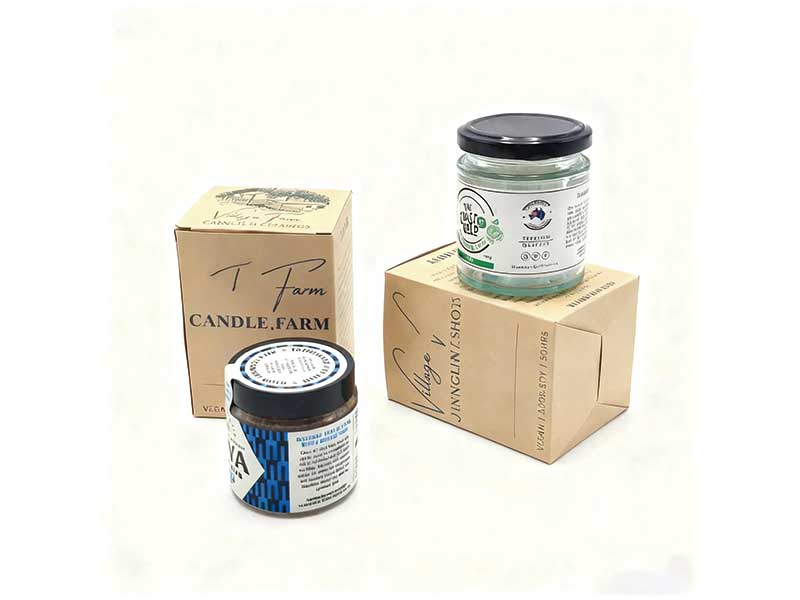
A corrugated mailer box can be more cost-efficient than a rigid gift box when transit protection is the main requirement.
Printing is one of the clearest ways to balance appearance and small-batch cost. Digital printing can be practical for shorter runs because it reduces the need for some traditional setup. Offset printing may become more efficient as the quantity increases, particularly when colour consistency and a larger run justify the setup.
That does not mean one printing method is always cheaper. The result depends on the number of colours, coverage, material, box structure and quantity. Ask the supplier to compare the same artwork under the available methods rather than comparing two different designs.
Finishing should be treated as a priority list. If the brand needs one premium signal, choose the element that customers will notice first: a tactile paper, a precise foil mark, a clean embossing detail or a high-quality matte surface. Reducing several competing effects can lower complexity while making the design look more deliberate.
A custom cutting die can be necessary when the box has an unusual profile, window, locking mechanism or insert. For a small batch, that one-time cost can have a noticeable effect on the first order. Ask whether an existing or standard dieline can satisfy the product requirements before developing a fully bespoke structure.
Using a standard structure does not mean accepting a generic package. You can still customise the dimensions within a workable range, paper, artwork, colour, finish, label, insert and opening details. The goal is to reserve custom tooling for a feature that improves protection, operation or brand recognition enough to justify it.
Before finalising dimensions, review Jinglin’s guide on how to measure a box dimension. Accurate measurements reduce revision cycles and help prevent a low-volume order from absorbing avoidable sampling and tooling costs.
Material savings should never remove the protection the product needs. A box that is too light, too large or poorly supported can create damage, returns and a weaker customer experience. Instead, make the package efficient: reduce unused space, select board thickness around the product weight, and choose an insert that holds the item without unnecessary layers.
For a rigid box, the outer structure and inner fit should be evaluated together. For a shipping box, the internal protection and shipping environment matter more than decorative wrapping. For a small retail product, a compact folding carton may reduce material and freight volume. Ask for a sample using the real product or a reliable product drawing before approving a low-cost change.
For the information a supplier needs to begin this process, see what information is needed to customise packaging.
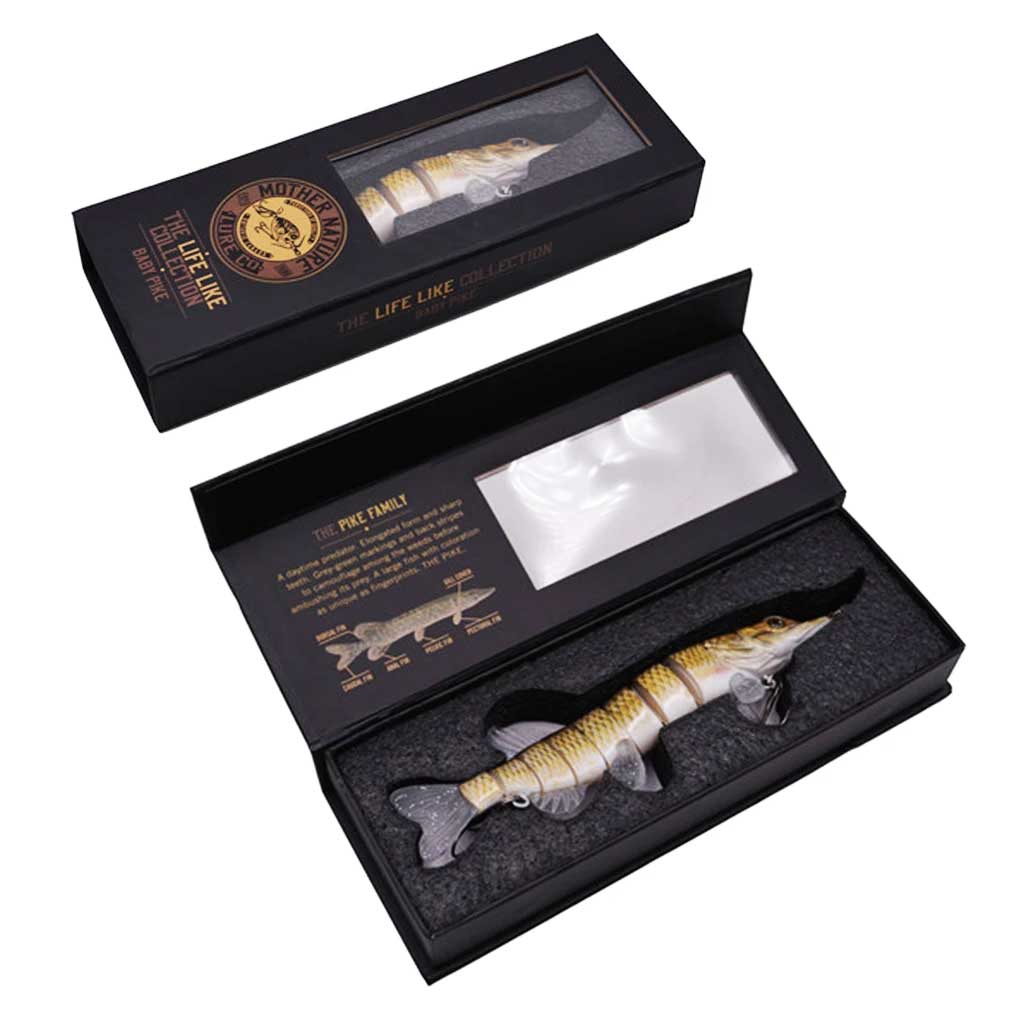
A die-cut insert should be sampled with the real product to avoid revision costs on a low-volume order.
Staged production can be useful when demand is uncertain. You may approve the structure and artwork once, then produce an initial batch for market testing before releasing the next quantity. This approach protects cash flow and gives the brand real sales information before committing to a larger stock position.
However, do not assume that a later order will have exactly the same unit cost. Paper, board, freight, setup and production schedules can change. Ask the supplier how the approved sample will be retained as a quality reference, whether the same materials can be reserved, and whether a future quantity can be quoted under the same specifications.
A staged plan works best when the packaging system is repeatable. Keep the dieline, colour references, finish specifications and approved sample together so the next order is not treated as a new design project.
A supplier can only recommend a sensible MOQ when the brief contains enough detail. Include the product dimensions, box style, quantity range, materials, printing, finishing, insert, artwork status, shipping destination and target timing. If you are comparing a pilot run with a larger run, list both quantities and ask for the full project cost at each level.
Jinglin’s quote and sample request page is the right place to provide these details. If you are still comparing structures, start with the custom packaging product range and the guide to buying custom rigid boxes.
The lowest unit price is not automatically the lowest-cost decision. A large MOQ can create slow-moving inventory, storage expense and a risk that the product or artwork changes before the packaging is used. A very small order can raise the unit price but give you the flexibility to test the market, correct the design and protect your cash.
For a first launch, compare three questions: How much cash must be paid now? How many units are likely to be used within the next production cycle? Which design changes are still possible after the first order? This turns MOQ into a planning decision rather than a single number in a supplier quote.
When you know which part of the package creates value and which part only adds complexity, you can keep the customer-facing details and simplify the hidden cost drivers.
Before approving a small-batch custom packaging order, confirm the following:
Small-batch custom packaging becomes easier to manage when you optimise the complete project instead of negotiating one number. A clear brief lets the supplier show where the MOQ can move, where the unit cost can improve and where a small design change can protect the launch budget.
Send Jinglin your product dimensions, preferred box style, quantity range and finish direction. We can help you compare practical structures and sample options for a small-batch launch.
Request a Free Quote & Sample →A practical MOQ depends on the box structure, size, material, printing method and supplier setup. Ask for quotes at two or more quantities so you can compare total spend and unit cost instead of choosing a number in isolation.
Use a standard dieline, reduce unnecessary finishes, simplify the insert, choose an efficient box size and compare digital printing with offset printing for the planned quantity.
Rigid boxes can work for small batches when the presentation value justifies the higher setup and unit cost. A supplier should confirm the structure, tooling, board and finishing before quoting.
Not always. Staged production can reduce upfront cash pressure, but the supplier should confirm material availability, future pricing and whether the approved structure can be repeated consistently.
Provide the product dimensions, box style, quantity, material, printing, finish, insert, artwork status, delivery market and sample requirements.